
In the world of classic cars, few names evoke the same sense of nostalgia, admiration, and sheer driving pleasure as the BMW E30. The iconic design, precision engineering, and timeless appeal of the E30 have made it a beloved choice for car enthusiasts around the globe. If you’re reading this, you probably share our passion for automobiles and understand the magnetic pull of a true classic.
The BMW E30, a legendary classic car, stands as a symbol of automotive excellence and timeless design. Produced from 1982 to 1994, this compact luxury vehicle marked an era of precision engineering and driving enjoyment. Its iconic styling, remarkable build quality, and agile handling have cemented its place as a sought-after classic in the hearts of car enthusiasts worldwide. The E30 is a testament to BMW’s commitment to delivering an exceptional driving experience, making it a beloved choice for those who appreciate the artistry of classic cars. Its enduring popularity serves as a tribute to an era when cars were not just means of transportation but also a source of passion and connection to the road.
For some, the allure of a vintage vehicle is a mere admiration from a distance, a wistful longing to own a piece of automotive history. But for others that longing transforms into a tangible project — a journey of restoration, rejuvenation, and a labor of love. This is the tale of dedication, challenges, and the pursuit of perfection.
I invite you to join me on a journey through the highs and lows of restoring this classic icon. We’ll explore the initial thrill of acquisition, the hands-on restoration work, and the moments of triumph that made every challenge worth it.
Welcome to the ride!
The Acquisition
The owner getting their hands on the BMW E30 was an exciting journey. It is worth noting that the owner did not plan on getting a project car in that sense – just wanted to get the E30 (in a relatively good condition) and drive it.
The owner scoured the car markets in Estonia and nearby countries, but quickly realised that there weren’t many suitable E30s available. However, after just about a month of searching, found two potential cars nearby (in Tartu and Põltsamaa).
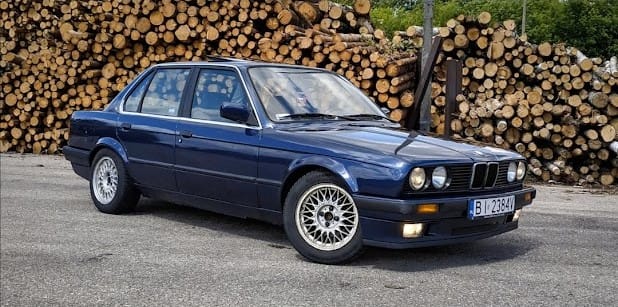
Screenshot from the sale ad for the car located in Tartu
The E30 located in Tartu looked really good in the pictures, but in real life unfortunately many small problems were quite noticeable. The car had been brought from Germany with the sole intention to be sold in Estonia. Detected some crash damage and although it had been fixed, the repairs weren’t done at that professional level so you could actually see the issues when examining closer. The car was also a four-door model with a small engine and was in the mid to high tier price range.
The seller tried to make it sound amazing, but it felt that wasn’t actually as good as they claimed.
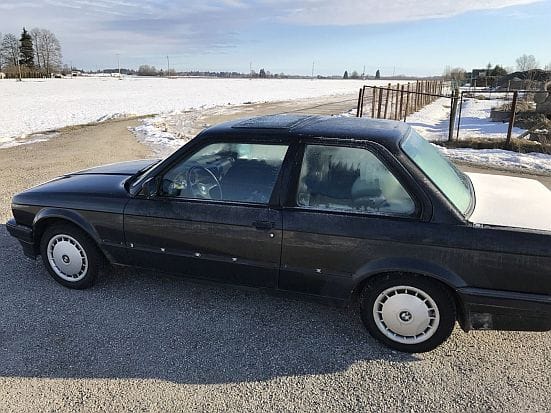
Photo from the sale ad for the car located in Põltsamaa
The E30 in Põltsamaa didn’t look great in the photos because the bodywork wasn’t finished, but decided to check it out anyway. The seller was straightforward and friendly. This car had a much smaller price tag (about half cheaper) and had a body and interior in pretty good shape with no common issues. It had been frequently taken care of, and the engine had been swapped for a better one. It was a two-door with a glass sunroof, and the body was in better condition compared to the one in Tartu. However, it needed a new paint job and some work.
Choosing the right E30 wasn’t easy, but the owner went with the one in Põltsamaa as it was just a great deal. Little did they know that this decision would kickstart an exciting adventure to bring the classic car back to life.